Newston: A Serif Font for Professional Branding
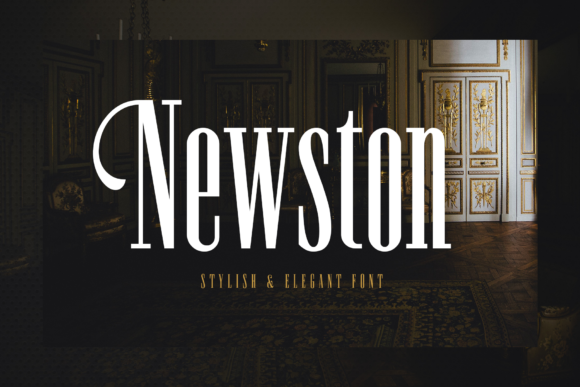
As a small business owner, I know how important it is to create a consistent and professional brand image. One of the simplest yet most powerful tools I’ve found is Newston, a classic serif font with a bold twist. It’s not just about looking good—it’s about making your brand feel trustworthy, polished, and memorable across every touchpoint.
Newston has a timeless quality that feels both serious and refined. Its clean lines and strong structure make it ideal for headlines, logos, and other key brand elements. At the same time, its subtle variations in weight and spacing give it a sense of character that sets it apart from more generic typefaces. Whether you’re designing a logo or crafting a social media post, Newston adds a layer of sophistication without being overly formal.
How Newston Elevates Branding Materials
For businesses that rely on visual consistency—like cafes, boutiques, or online shops—Newston offers a reliable foundation. It works well as a headline font for product labels, packaging design, and website banners. Its legibility at smaller sizes makes it perfect for things like price tags, thank-you cards, and stickers. And because it’s a serif font, it brings a sense of elegance that can help your brand stand out in a crowded market.
Imagine using Newston for a bakery’s logo. The font’s strong structure gives it a professional edge, while its subtle curves add warmth and approachability. Or picture it on a handmade candle label—its refined look matches the premium nature of the product. For a coaching business, Newston can be used in website headers or email newsletters to reinforce a sense of authority and trustworthiness.
When it comes to digital marketing, Newston also shines. It looks great in Instagram posts, Pinterest graphics, and even mobile-optimized web banners. Its boldness ensures it stands out in social media thumbnails, where first impressions matter. And because it’s a serif font, it pairs well with modern sans serif typefaces for a balanced, professional look.
Using Newston in Real Business Scenarios
One of the best things about Newston is its versatility. You can use it as a display font for headlines, a supporting typeface for body text, or even as an accent font in combination with other styles. For example, pairing it with a clean sans serif like Open Sans creates a modern yet sophisticated look that works well for websites, brochures, and email templates.
If you’re designing a menu for a café, Newston can be used for the restaurant name and section headings. It adds a level of refinement that makes the menu feel more curated. For product packaging, using Newston in a bold weight for the brand name helps it stand out on shelves. And for customer-facing materials like flyers or promotional posters, it gives your message a polished, professional tone.
Testing Newston before committing to it across your entire brand is a smart move. Try it out on a few key assets—like a business card or a social media header—and see how it looks in different sizes and contexts. Pay attention to how it appears on mobile screens, printed materials, and digital platforms. This will help you determine if it fits your brand’s voice and style.
Font Pairing Tips for Small Businesses
When working with Newston, consider how it interacts with other fonts. For a more dynamic look, pair it with a decorative script or handwritten font for accents. But if you want a cleaner, more professional appearance, combine it with a simple sans serif. This contrast can help guide the viewer’s eye and create visual interest without overwhelming the design.
For instance, a beauty brand might use Newston for its logo and product titles, while using a minimalist sans serif for descriptions and ingredient lists. A boutique could use Newston for its website headings and a complementary serif for body text. The key is to maintain balance and ensure readability across all materials.
Remember, the goal is to create a cohesive brand identity that resonates with your audience. Newston can be a powerful part of that identity, but it’s important to use it thoughtfully. Don’t overdo it—sometimes less is more, especially when it comes to typography.
Commercial Licensing and Practical Use
Before using Newston on products, packaging, or digital downloads, always check the commercial font licensing terms. Most premium fonts allow for use in branding and marketing materials, but it’s important to confirm what’s permitted. This applies whether you’re creating physical merchandise, client work, or digital templates.
As a small business owner, I’ve learned that investing in the right design assets—like a high-quality font—can pay off in the long run. Newston isn’t just a pretty typeface; it’s a tool that helps build trust, clarity, and recognition. When used consistently across your brand, it reinforces the professionalism and quality of your offerings.
Whether you’re launching a new product line, redesigning your website, or updating your social media visuals, Newston offers a versatile and elegant solution. It’s a font that understands the needs of real-world business owners and delivers results without compromise.