Fillet: A Bold Font for Business Branding
There I was, standing in my bakery kitchen, staring at a stack of plain white boxes that needed a fresh look. The labels were generic, the font unremarkable, and the whole thing felt like it didn’t quite match the quality of the pastries inside. That’s when I stumbled on Fillet—a bold, uppercase font with a sharp, modern edge that instantly caught my eye. It wasn’t just another typeface; it felt like a missing piece in my brand’s visual language.
The Visual Personality of Fillet
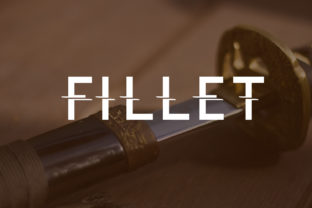
Fillet is a decorative display font that exudes confidence. Its clean lines and strong angles give it a smart, almost industrial feel, while the subtle curves add a touch of sophistication. It doesn’t scream for attention, but it commands it. Whether used in headlines or logos, Fillet has a way of making text feel intentional and impactful. It’s the kind of font that can elevate a simple label into something memorable without overwhelming the design.
What makes Fillet stand out is its balance between boldness and clarity. It’s not overly ornate, which means it works well in both digital and print formats. For a small business owner, that’s a huge plus—especially when you’re trying to maintain consistency across multiple platforms.
Real-World Applications for Small Businesses
I started by testing Fillet on my bakery’s packaging. The new labels looked sharper, more professional, and aligned better with the brand’s identity. It worked equally well on product tags, thank-you cards, and even social media graphics. The font’s versatility made it easy to use across different materials without feeling forced or inconsistent.
For a candle seller, Fillet could transform jar labels from basic to chic. For a café, it could bring a fresh energy to menus and signage. In each case, the font added a layer of polish that made the business feel more intentional. It’s the kind of detail that customers might not notice immediately, but it builds trust over time.
When to Use Fillet and When Not To
Fillet thrives in display contexts. It’s perfect for headlines, logos, and short phrases where impact matters most. However, it’s not ideal for long blocks of text. Its sharp edges and minimal spacing can make it less readable in extended paragraphs, especially on smaller screens or printed materials.
That said, it can still be used effectively as a decorative accent. Pairing it with a clean sans serif font like Helvetica or a classic serif like Georgia creates a nice contrast that draws attention without sacrificing readability. For example, using Fillet for a headline and a simpler font for body text can create a balanced, professional look.
Designing with Fillet: Tips for Small Businesses
When working with Fillet, keep the design simple. Let the font do the heavy lifting. Avoid overcrowding layouts or mixing too many elements. This font is best when given space to breathe. On mobile screens, test how it looks at different sizes to ensure it remains legible. For printed packaging, consider the weight and size of the text to avoid any issues with clarity.
It’s also worth checking what styles and file formats are included with the font. Many decorative fonts come with multiple weights or alternate characters, which can add flexibility. If you're using Fillet for commercial purposes, make sure the licensing allows for the intended use, whether it's for product packaging, online shop banners, or client work.
Why Typography Matters for Small Businesses
Typography isn’t just about aesthetics—it’s about communication. The right font can influence how customers perceive your brand. A well-chosen typeface can make your business feel more trustworthy, consistent, and professional. It helps create a visual identity that resonates with your audience and sets you apart from competitors.
Fillet offers a unique blend of strength and elegance that can help small businesses stand out. It’s not just a font; it’s a tool for building a stronger brand presence. Whether you’re updating your packaging, redesigning your website, or creating social media content, Fillet can be a powerful ally in your design toolkit.
As I continued to experiment with Fillet, I realized how much it could enhance my brand’s overall look. It wasn’t just about making things look better—it was about making them feel more intentional. And for a small business, that’s often the difference between blending in and standing out.